

002: paloma wool builds a brand around artistic intention
How artistic collaboration, purpose and conscious choices reshape fashion business

The retail experience felt different. A pencil and instruction card sat on a pedestal near the entrance. Each piece carried a number. To try something on, you wrote down numbers instead of gathering clothes. Small details that shifted how I moved through the space.
After building her brand primarily online and through global pop-ups, Paloma Wool has opened its first permanent store in New York City. Since founding her label in 2014, Paloma Lanna has built something closer to a living tapestry than a traditional clothing brand, collaborating with artists rather than following traditional fashion industry models.
Lately, I've been thinking about how I relate to fashion—what clothes make me feel—and how certain designers are building new systems in the fashion industry with intention, care, sustainability, and collaboration at their core. I'm drawn to Lanna's multidisciplinary approach, where photography, art, and tactile memory shape the foundation of the brand. Paloma Wool offers something more intentional: a space where the values behind the clothing can be felt.
Background
Paloma Lanna's approach to fashion is rooted in direct experience with the industry's possibilities and failures. Born into fashion—her parents founded Globe, a 1980s powerhouse label, and later created Nice Things—she grew up on fabric sourcing trips from China to New York, observing suppliers and trends firsthand. But she also witnessed volatility: after Globe's bankruptcy in 1992, her parents encouraged her toward business studies rather than fashion.
This detour led her to photography. A vintage analog camera found in Hong Kong sparked her love for image-making, which became central to Paloma Wool's 2014 launch. What began as photo-printed sweatshirts evolved into a multidisciplinary project where clothing serves as one medium among many.
Having seen both creative possibilities and commercial pressures firsthand, she chose to reject the traditional fashion calendar entirely. No seasonal collections, no Black Friday markdowns. Instead, she treats fashion as part of a broader artistic practice—prioritizing creative collaboration and genuine relationships over traditional growth metrics.
Friendship as Infrastructure
The brand operates on personal relationships, including creative collaborations with longtime friends like photographer Carlota Guerrero. These artistic experiments take many forms. In 2017, Lanna and artist Marta Armengol built an "Ephemeral Pyramid" installation in Llagostera that "symbolizes the strength of teamwork." More recently, collaborations with Italian artist Jacopo Pagin translated his dreamlike glass objects into limited-edition pieces. Each partnership reinforces that, as Lanna puts it, "selling clothes was just an excuse for these artistic collaborations and experiments in photography."
This collaborative spirit shapes their internal structure as well. The team of twenty women works in what creative director Tana Latorre describes as a structure with "no hierarchy," where everyone participates in every aspect of the process. After designing each piece, they try it on together—"all with different bodies and different shapes." The clothes are designed to make women feel good in their bodies.
The Store Experience
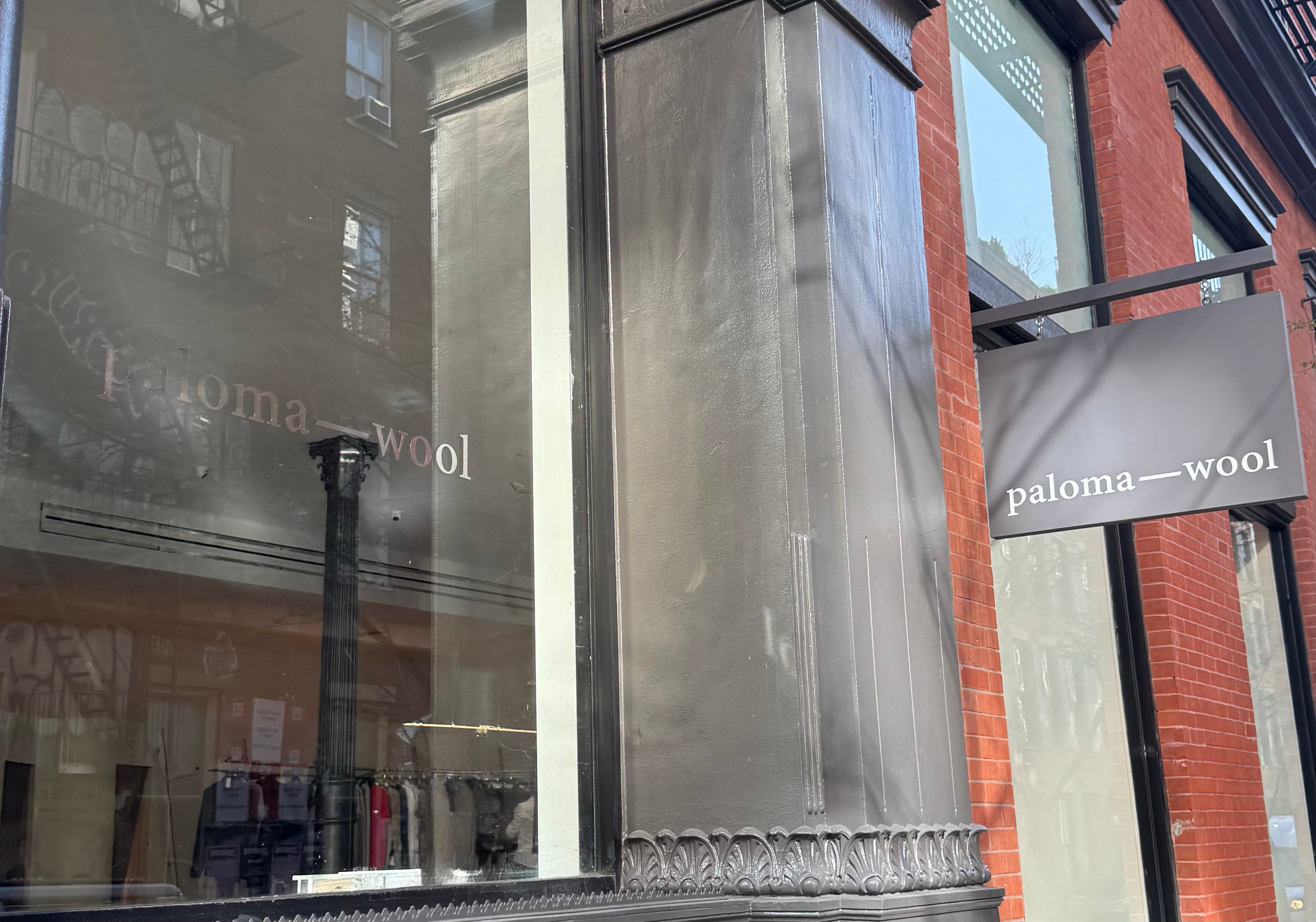
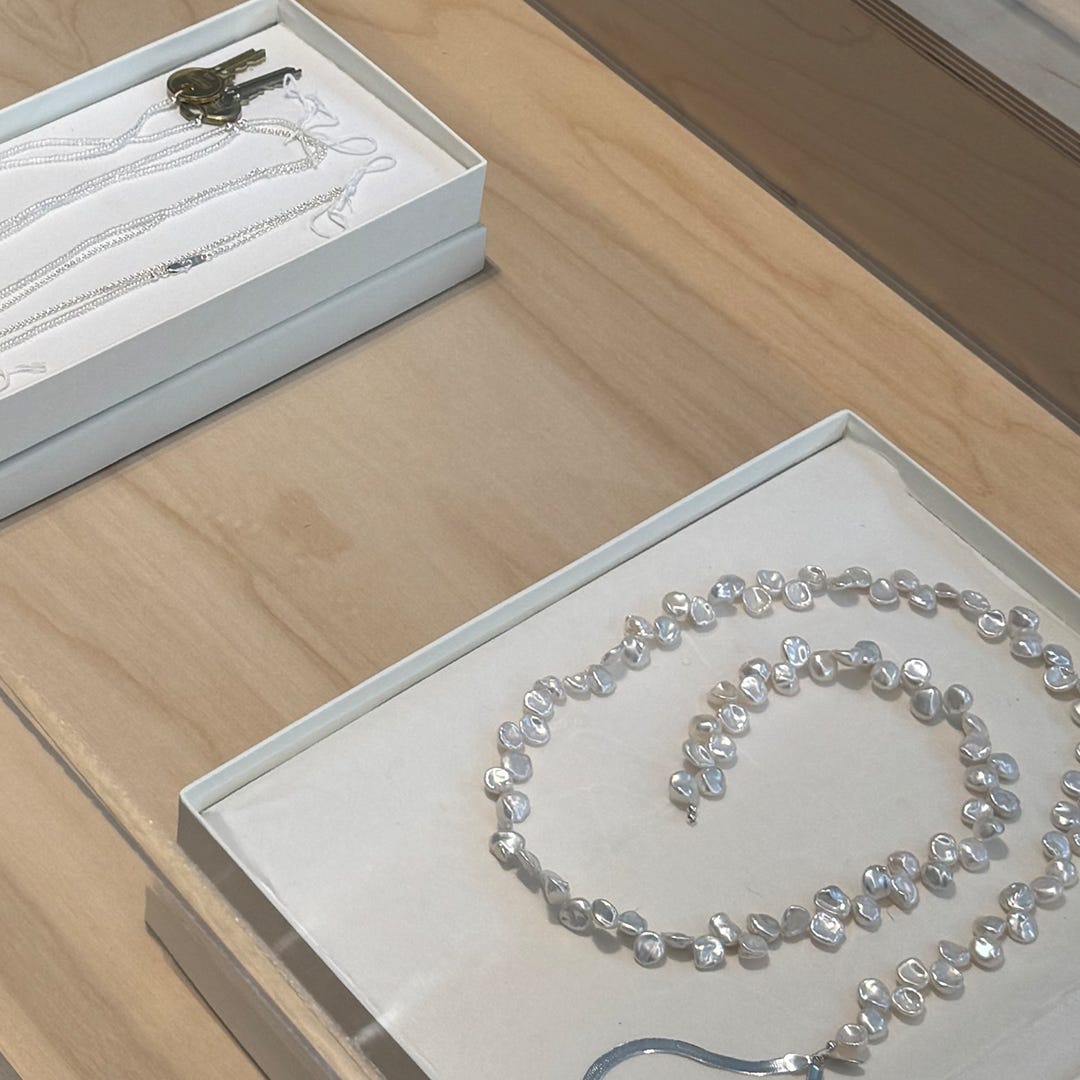
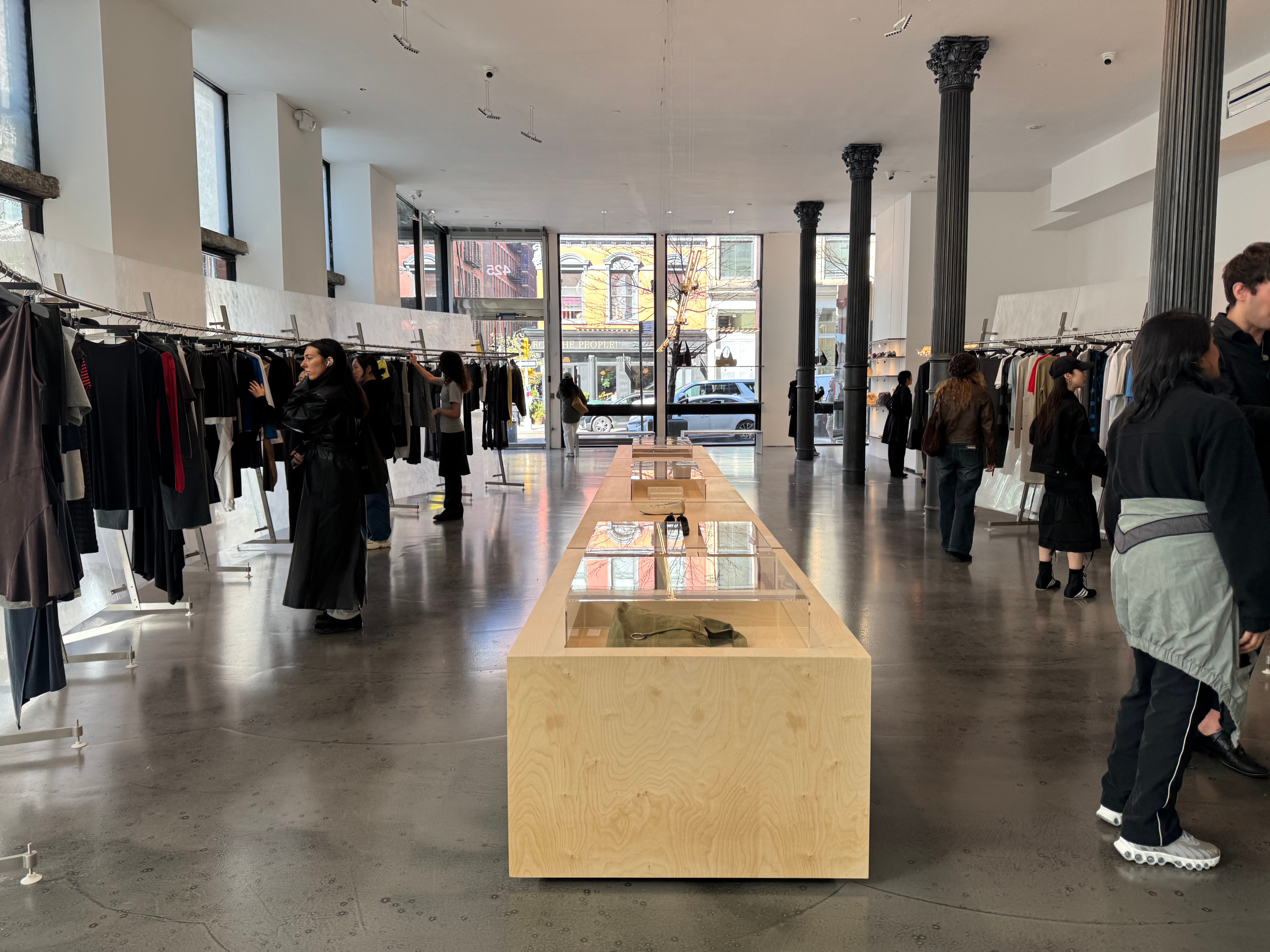
Located at 425 Broome Street in SoHo, the black-painted building draws attention through restraint rather than display. Inside, raw wood frames fitting rooms, marked with paint stains suggesting “unfinished work”. Stainless steel racks add structure without overwhelming. Colors emerge from the clothing itself—flashes of red, pink, and blue against warm neutral walls.
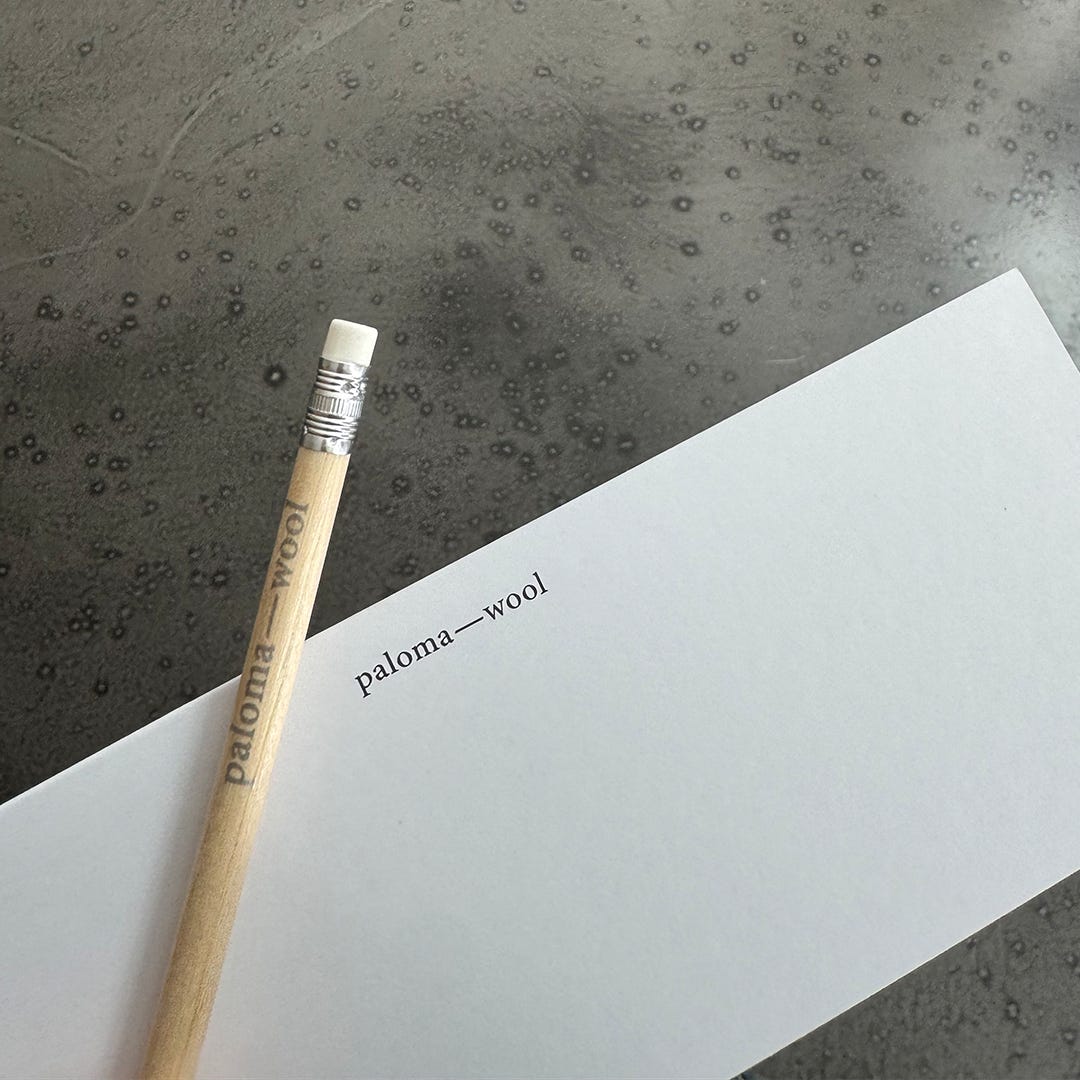
Near the entrance of the SoHo store, a pedestal displays branded pencils and instruction cards. Each item carries a number. To try something on, you write down item numbers and your size, then wait for an associate to bring your selections.
Having to write down numbers made me more selective about what I wanted to try. The system forces you to consider each piece rather than grab impulsively, creating space for reflection.
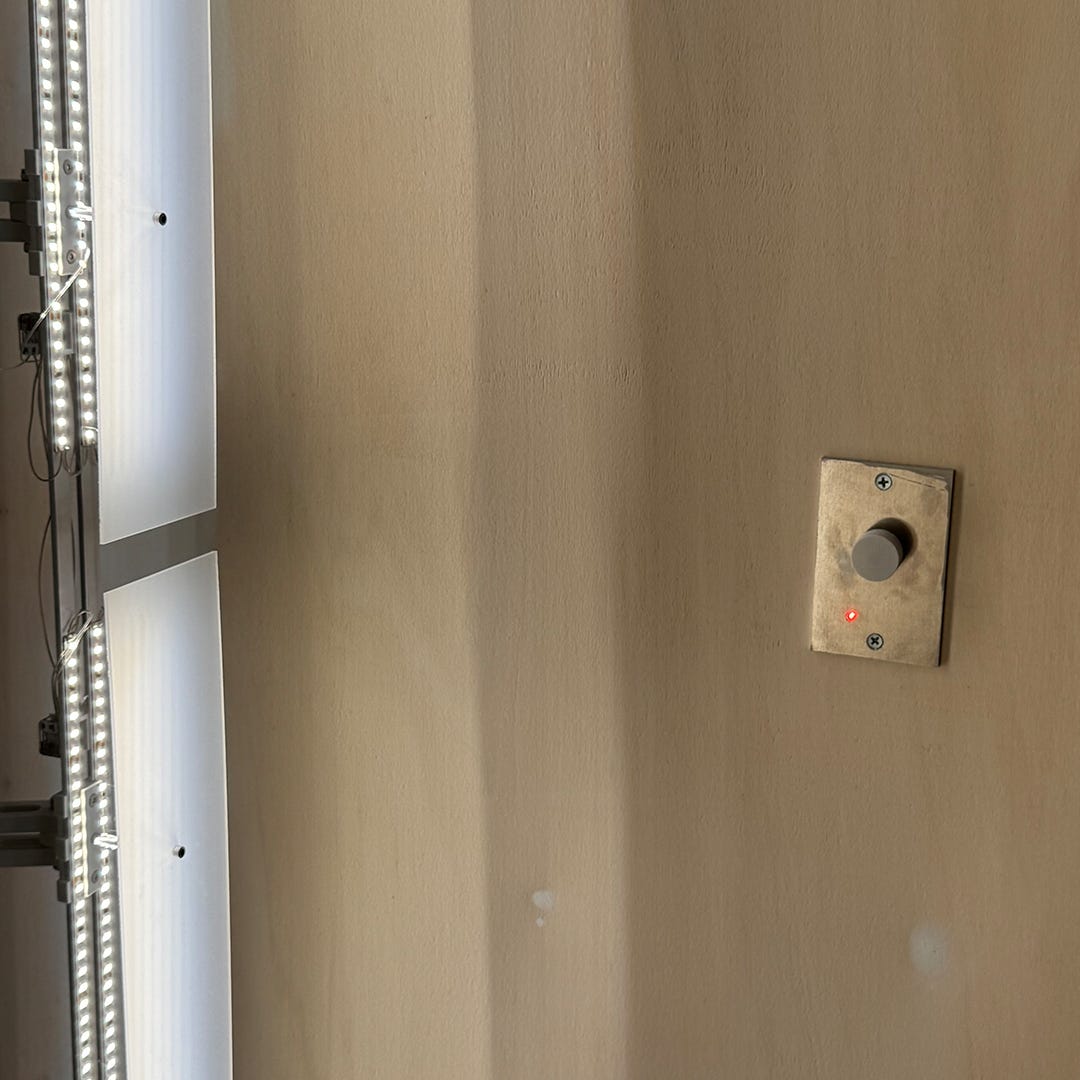
The fitting rooms continue this attention to experience. Adjustable lighting lets you control brightness, changing how you see clothes and how you feel wearing them. Magnetic closures make the curtain feel more secure.
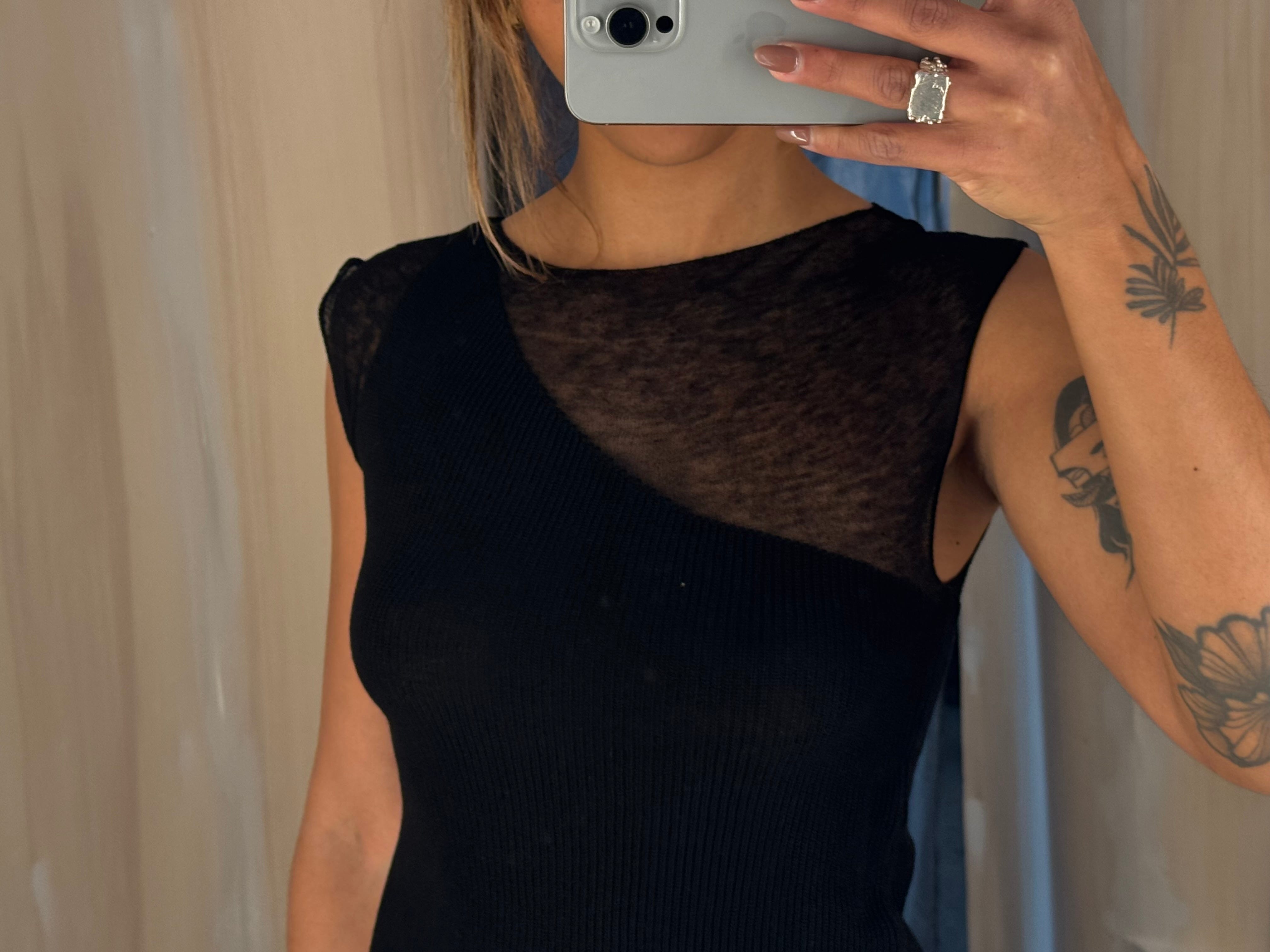
Nomel, Lotto, Elvira, Alexia
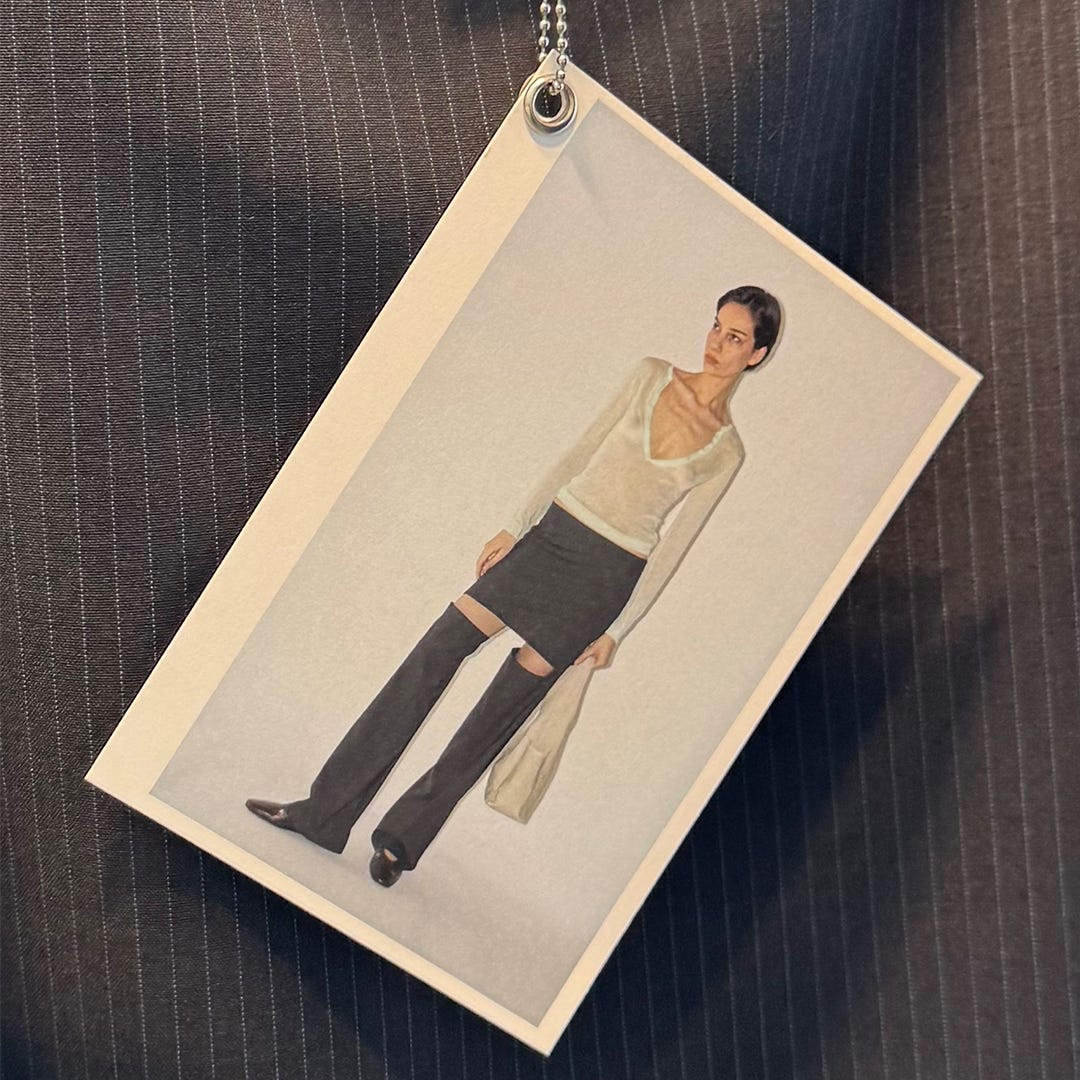
All shared practical simplicity: no zippers, easy to slip on, comfortable fit that worked with my body without restriction. Nomel created visual movement with its sheer neckline detail while staying soft and comfortable. Lotto felt effortless to wear, and the asymmetrical cut gave it a stylish edge. The Elvira and Alexia set created a silhouette that made me stand differently, more confidently.
This balance between comfort and form captured their approach to femininity. Wearing them, I understood what Lanna means when she says the brand aims to make women feel good in their own bodies.
Material Choices
While trying on the clothes, I noticed cupro on several of the tags. The feel was distinctive enough to make me curious. I stopped at Mood Fabrics after leaving the store to learn more about this material I'd never encountered.
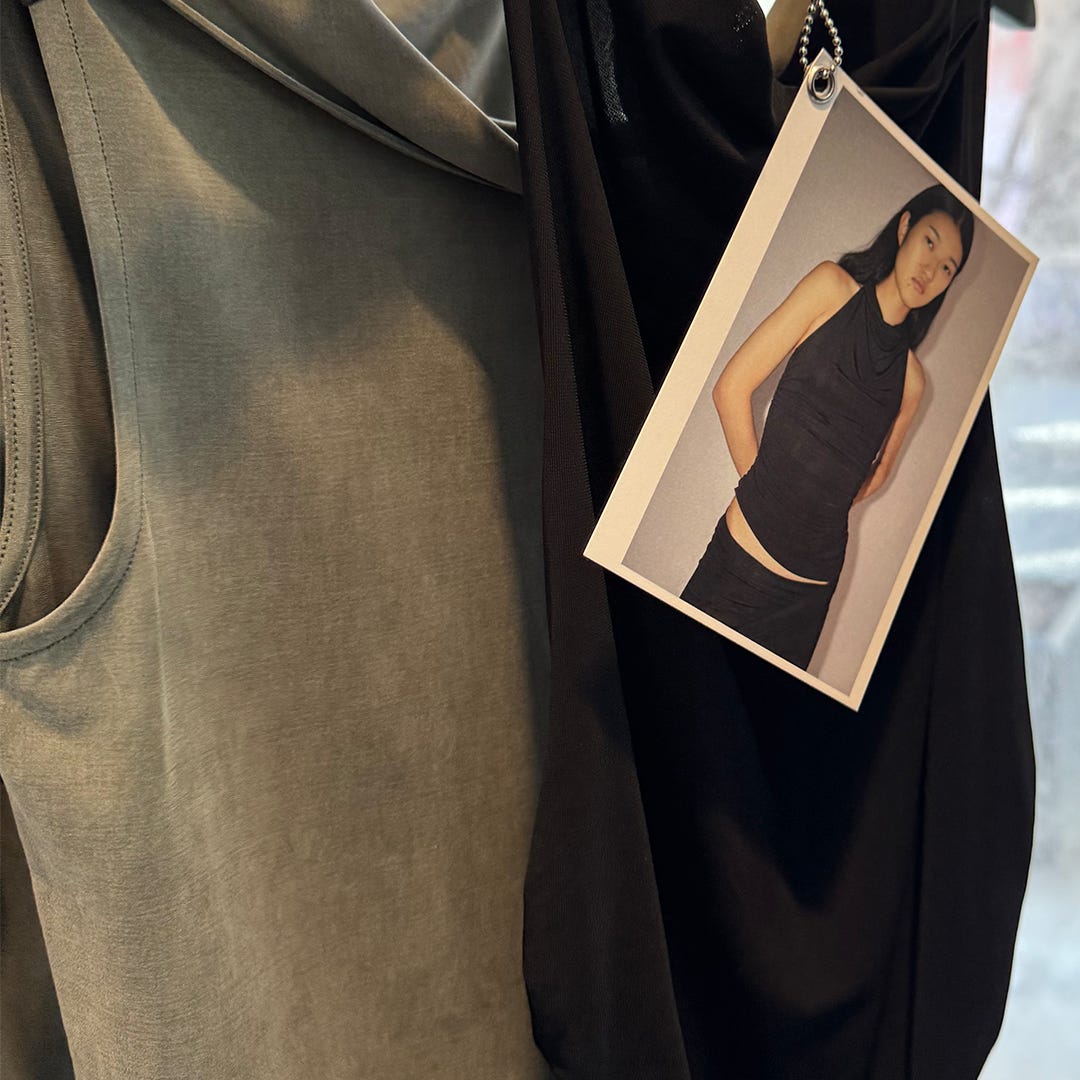
Cupro proved difficult to find. The vendor confirmed it was out of stock and hard to find. Cupro is a more sustainable choice because it repurposes cotton waste, is biodegradable, and can be produced in closed-loop systems that limit chemical waste—making it a lower-impact, vegan-friendly alternative to silk. Lanna explained to Sleek Magazine that "cupro is one of our favourite materials, not only because it feels incredibly good, but also because it's derived from natural material."
They maintain a rule book for fabric selection, choosing sustainable materials even when it complicates production. They use recycled materials when possible, even when it means abandoning preferred designs.
The tactile quality that drew me to research cupro in the first place reflects this commitment—fabrics chosen for both how they feel on the body and their ethical production.
Conscious Growth in Practice
Paloma Wool demonstrates that fashion brands can integrate purpose with commercial growth. Instead of seasonal pressure driving overproduction, they create limited capsules designed to sell completely. While pursuing ambitious revenue targets, they prioritize direct relationships over wholesale-driven expansion—retail partnerships represent only 20% of their business, serving brand presence over revenue growth.
Lanna continues developing artistic projects regardless of commercial relevance, treating fashion as one medium among photography, installation, and performance. The SoHo store embodies this philosophy, asking for presence and rewarding curiosity, demonstrating that retail can prioritize mindfulness over transactions.
As the brand scales, Lanna maintains intimacy by keeping the project parallel to her personal life, "capturing how I feel and how I am slowly growing old." This personal anchoring prevents the dilution that often accompanies growth. In an industry built on artificial urgency, Paloma Wool offers something rarer: time to consider, space to feel, and proof that purposeful approaches can sustain both creativity and commerce.
"Friendship, community, freedom." — Paloma Lanna
Sources: The Great Discontent, Sleek Magazine, ΠMagazine, Liberty London, The Business of Fashion, Paloma Wool About Makers, Paloma Wool, To Be Magazine